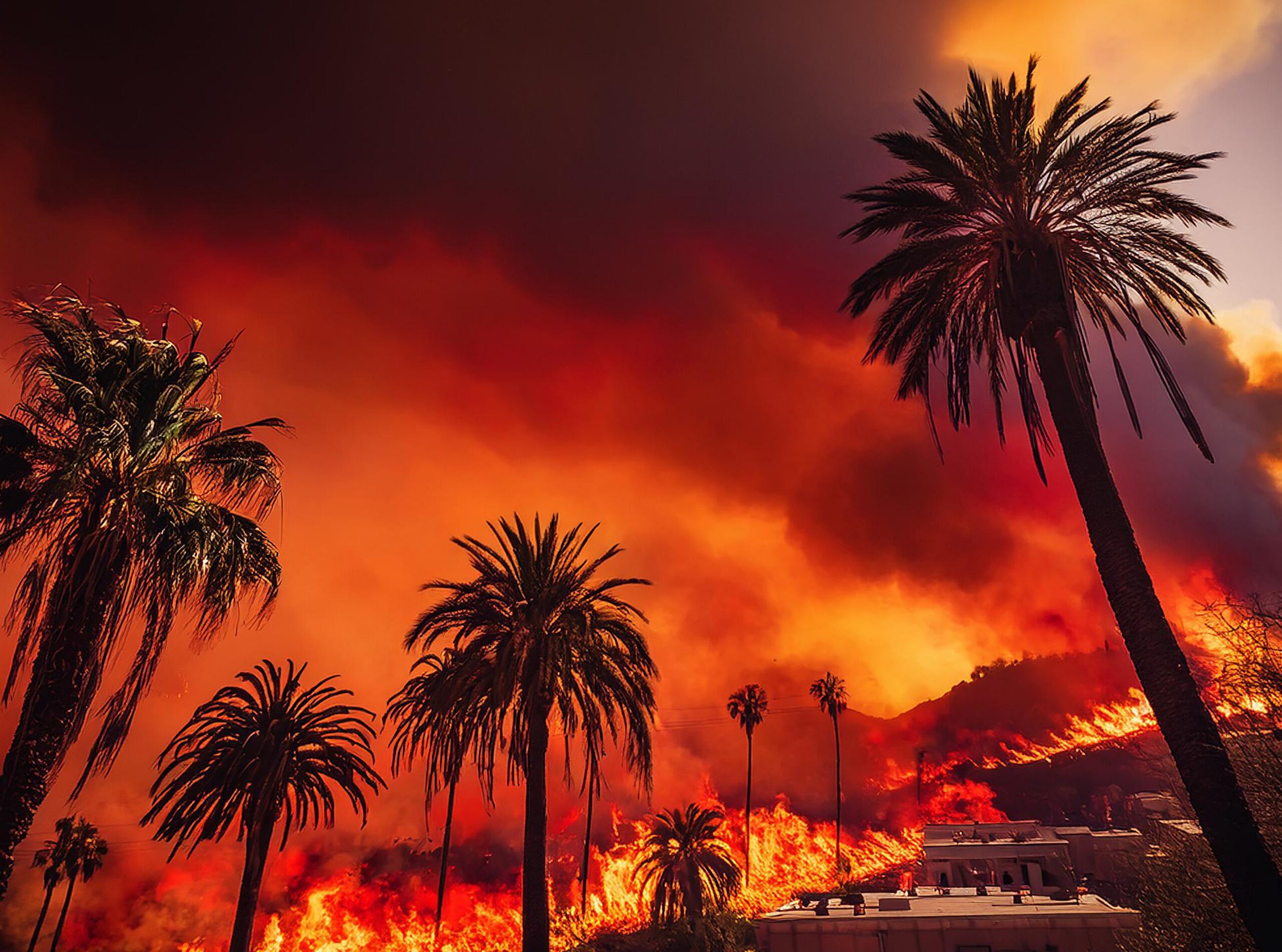
After a fire, the damage doesn’t stop at what you can see. Beyond structural impact, fires leave behind combustion by-products (CBP), a complex mix of contaminants that can linger in the air and on surfaces long after the event.
From soot, char, and ash particulate to fire VOCs and smoke odor, these by-products can impact indoor air quality, occupant health, and property safety if not properly identified and addressed.
What Are Combustion By-Products (CBP)?
Combustion by-products (CBP) are created when materials burn, especially in structure fires where a wide range of materials are involved, including:
- Wood and building materials
- Plastics and synthetic finishes
- Furniture, textiles, and electronics
These materials release:
- Soot, char, and ash particulate
- Smoke and soot residue
- Fire VOCs (volatile organic compounds)
- Toxic gases and microscopic particles
Because modern buildings contain more synthetic materials than ever, combustion by-products (CBP) today are often more chemically complex and potentially hazardous—a trend also seen in large-scale wildfire smoke exposure.
Where CBP Linger After a Fire
Even after visible cleanup, contamination can remain in:
- HVAC systems and ductwork
- Walls, ceilings, and insulation
- Carpets, upholstery, and soft materials
- Settled dust throughout the space
This is why properties may still have persistent smoke odor or poor air quality even after cleaning, including in cases where smoke has traveled from nearby wildfire activity.
Why Smoke and Soot Testing Matters
A common misconception is that once the smell is gone, the space is safe. In reality:
- Many contaminants are invisible and odorless
- Soot particles can embed into surfaces
- Fire VOCs can continue off-gassing over time
Without proper testing for combustion by-products (CBP), these contaminants can:
- Re-enter the air through normal activity
- Circulate through HVAC systems
- Pose ongoing health risks and liability concerns
How Envirocheck Helps
Envirocheck provides specialized testing for combustion by-products, smoke and soot residue, and post-fire contamination across residential, commercial, and institutional properties.
Our team has extensive experience responding to major California wildfire events, including the Woolsey, Tubbs, Pacific Palisades, and Altadena fires. We are prepared to support property owners, contractors, insurance professionals, and environmental teams impacted by the Simi Valley Sandy Fire.
✔ One of the Few Certified Labs for Smoke & Soot Testing
Envirocheck is one of the limited laboratories with certification to test for smoke and soot contamination, delivering reliable, defensible results for:
- Insurance documentation
- Clearance testing
- Property transactions and liability protection
✔ Years of Proven Experience
With years of experience in environmental testing, Envirocheck has worked on a wide range of fire-related projects, including structure fires and large-scale wildfire smoke exposure events—giving our team deep expertise in identifying and evaluating combustion by-products (CBP) in real-world conditions.
✔ Comprehensive Testing Services
We test for:
- Soot, char, and ash particulate
- Smoke and soot residue on surfaces
- Fire VOCs and airborne contaminants
- Smoke odor source identification
✔ Support for All Property Types
Envirocheck works with:
- Residential homeowners and property managers
- Commercial and retail businesses
- Schools and childcare facilities
✔ Pre- and Post-Remediation Testing
We help ensure spaces are truly safe by providing:
- Initial contamination assessments
- Post-cleaning clearance testing
Why This Matters
Whether it’s a structure fire or smoke intrusion from nearby wildfire activity, combustion by-products (CBP) can remain long after the event.
Without proper testing:
- Contamination may go undetected
- Cleanup efforts may be incomplete
- Occupants may be exposed to hidden risks
Final Thoughts
Fires leave behind more than visible damage—they introduce persistent, often invisible contaminants into indoor environments.
Envirocheck provides the expertise, certification, and testing capabilities needed to accurately identify combustion by-products (CBP) and confirm when a space is safe to reoccupy.